
Alternative & Augmentative Communication
Services

We are proud to provide neurodiversity-affirming therapy for children from early intervention through adolescence.
Services are individualized, strengths-based, and designed to support confidence, communication, and connection. We love support multimodal communicators! However you communicate, we are eager to listen!
AAC Evaluations
At Chickadee Chatter, our evaluations focus on strengths and understanding how your child learns best.
We value getting to know your child and family so we can thoughtfully guide goals that support communication, confidence, and connection.
Speech + Language
-
We evaluate speech sound and motor-based speech differences, including:
• Articulation (speech sound production)
• Childhood Apraxia of Speech (CAS)
• Stuttering & cluttering
Evaluations are strengths-based and tailored to your child’s communication
-
Language evaluations help us understand how your child uses and understands language in everyday life, including:
• Late talkers
• Expressive language
• Language comprehension
• Literacy and early reading
• Social-emotional and pragmatic language
We focus on meaningful communication and real-life carryover.
Feeding + Myofunctional
-
These evaluations assess oral structure and function that can impact speech, feeding, and breathing, including:
• Tongue, lip, and buccal ties
• Tongue resting posture
• Tongue thrust and swallow patterns
• Oral motor coordination
Evaluations are completed by a trained myofunctional therapist.
-
We evaluate feeding concerns related to the oral preparation and oral transit phases of eating (no pharyngeal swallowing), including:
• Using lips, teeth, and tongue to manage food
• Transitioning from purees to complex textures
• Picky eating and limited food repertoires
• Feeding challenges related to sensory needs or food allergies
Our approach is child-led, supportive, and pressure-free.
Treatment
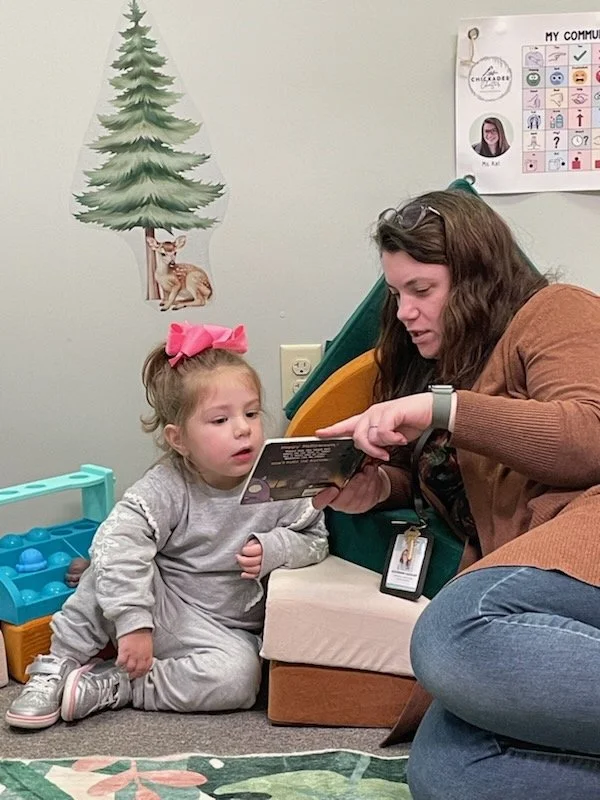
We begin by building trust and gently introducing goals—dipping our toes in the water rather than diving in headfirst. Through play-based interaction and natural modeling, children grow comfortable, confident, and ready to take the lead in their communication.
Speech therapy starts with connection.
-
• Articulation (Speech Sound Production)
• Childhood Apraxia of Speech (CAS)
• Stuttering and Cluttering
• Expressive and Receptive Language
• Social-Emotional and Pragmatic Language
• Literacy and early reading support
Sessions focus on real-life communication and confidence-building.
-
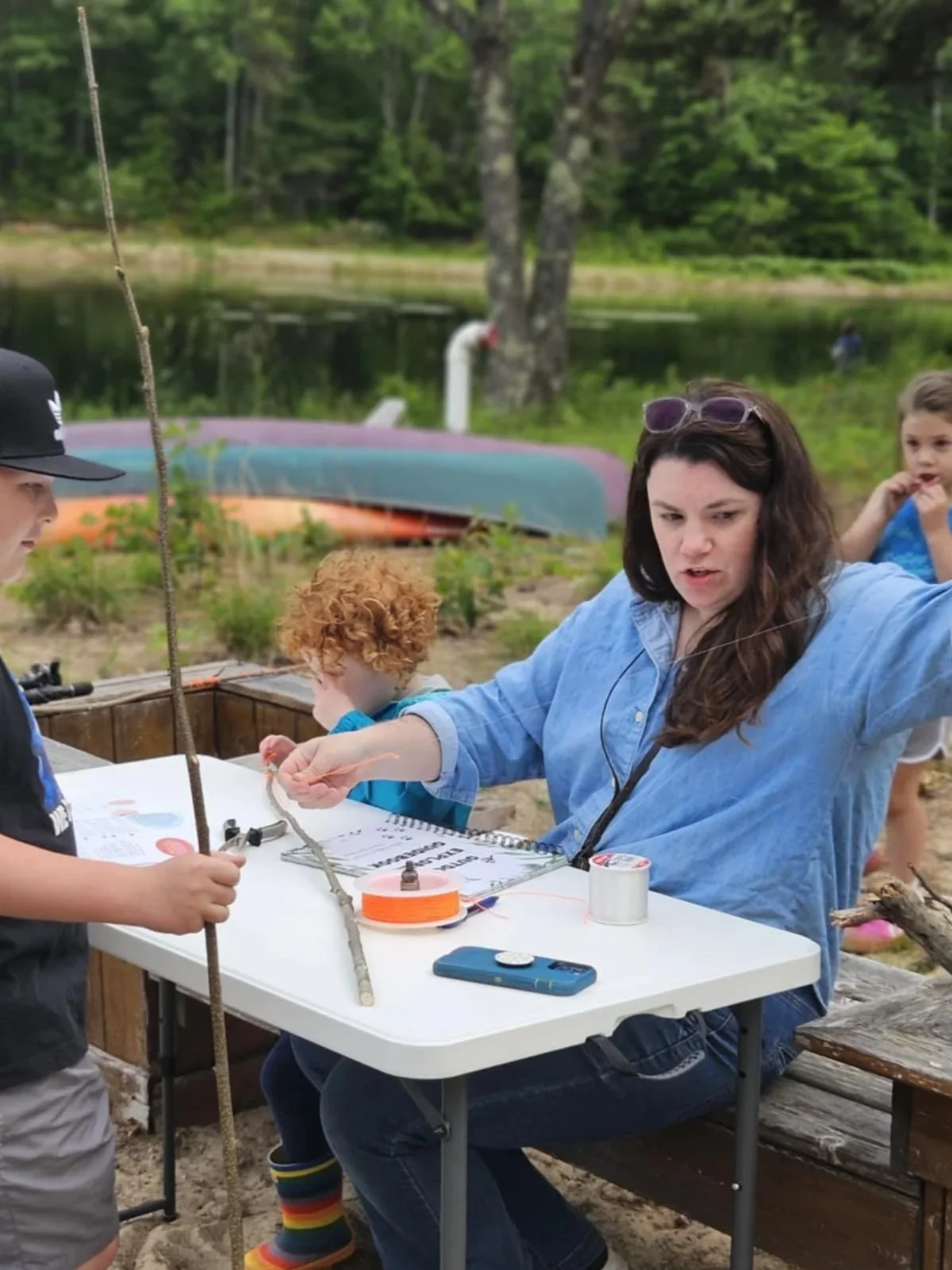
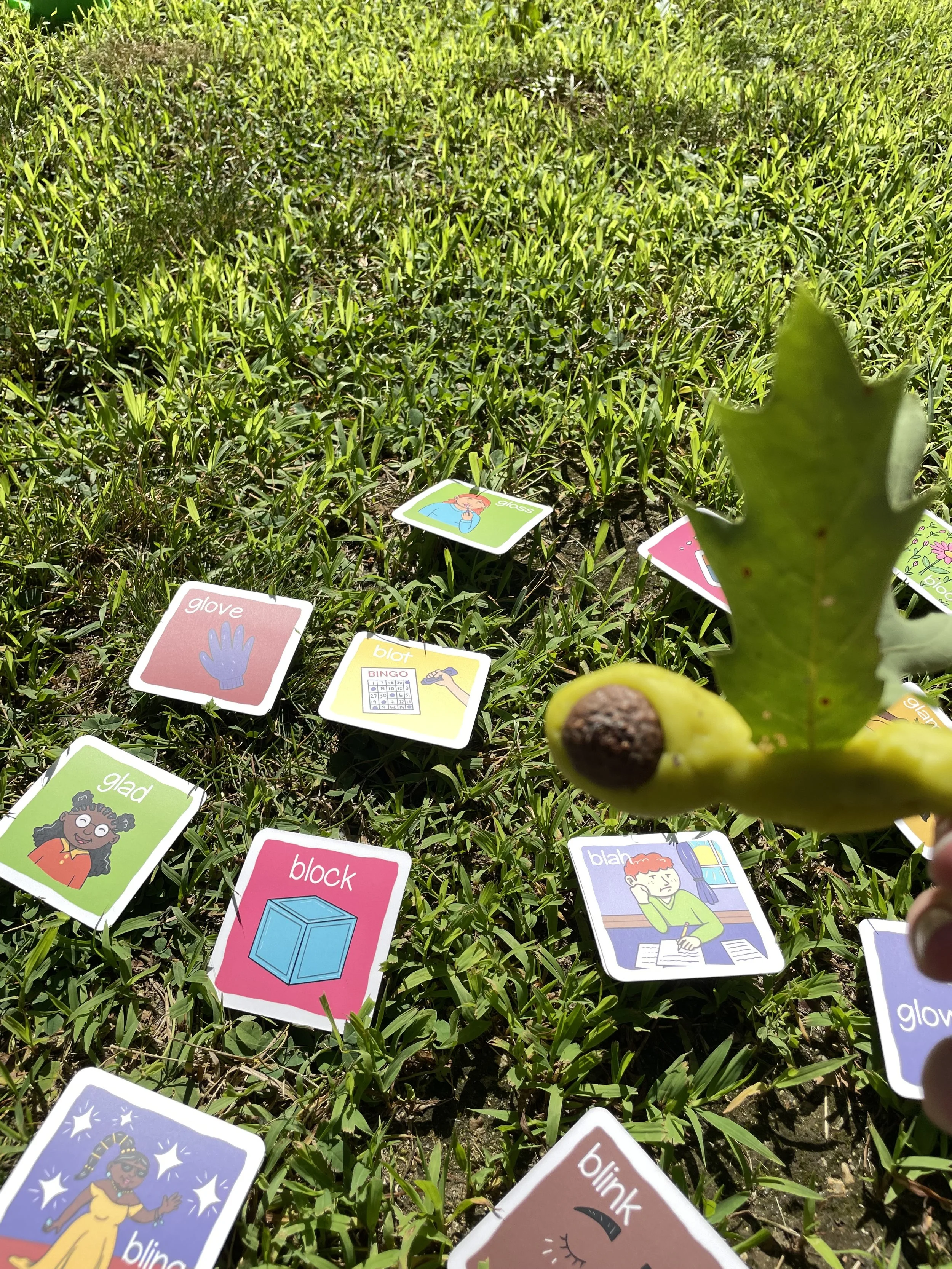
Outdoor therapy sessions use nature through movement, play, and experiences to support communication, regulation, and confidence in meaningful, real-world settings.
• Available for select clients and programs
• May take place in the home environment or outdoor spaces
• Offered within certain travel distances
Outdoor therapy opportunities are scheduled based on location, weather, and clinician availability.
Feeding therapy starts with exploration.
-
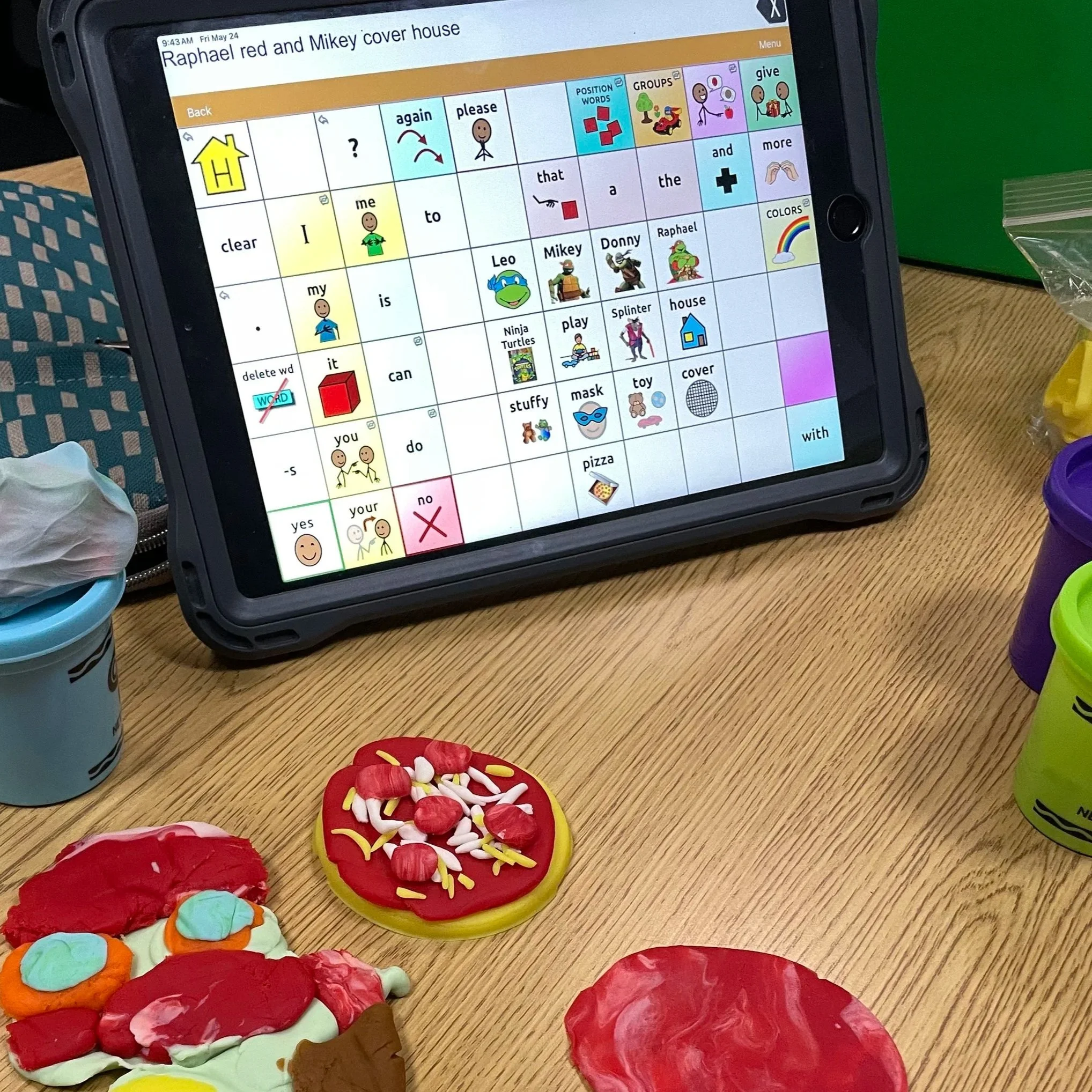
Feeding therapy focuses on the oral phase of feeding, including oral preparation and oral transit—how the lips, teeth, and tongue work together to manage food in the mouth.
• Picky eating and limited food repertoires
• Transitioning from bottle to solids
• Moving from purees to more complex textures
• Feeding challenges related to sensory needs or food allergies
Therapy is supportive, pressure-free, and child-centered.
-
Myofunctional therapy addresses oral posture, muscle coordination, and movement patterns that can impact speech, feeding, and breathing.
• Tongue resting posture
• Tongue thrust and swallow patterns
• Impact of tongue, lip, or cheek ties
• Oral motor coordination and function
Therapy is functional, collaborative, and individualized.
Payment Options
Chickadee Chatter is currently in-network with the following insurances:







Out-of-Network & Private Pay
Out-of-Network:
If your insurance is not listed above, services may still be accessed using your out-of-network benefits. Payment is due at the time of service. A Superbill can be provided upon request. Reimbursement is determined by your insurance provider.
Private Pay:
Families may also choose our private pay option. Private pay services are self-funded, are not submitted to insurance, and do not apply toward your deductible.
For a private pay service quote, email:
info@chickadeechatter.com

FAQs
*
FAQs *
-
If your child has an updated evaluation from their school or another clinic that was completed within the last two years, we typically do not need a new evaluation. It may be recommended to update information in other speech and language areas that were not evaluated.
-
Most Chickadee Chatter providers are in-network with:
Aetna
Anthem BCBS
Community Health Options
Cigna
Harvard Pilgrim
MaineCare
United HealthCare.
If your insurance is not listed or does not cover therapy, we have private pay options (with discounts available.) We accept online payments with credit/debit, HSA/FSA, checks or cash.
-
Our current therapy fee starts at $65 and increases, depending on the length of service time and type of service. Our evaluation fee starts at $200.
-
Both at our office location in Springvale and outdoor therapy space in Shapleigh. We also offer services in-person at your homes on our travel routes in Shapleigh, Waterboro and surrounding areas, and online via teletherapy.
-
Yes! Sometimes school services do not always address communication difficulties that are occurring in their home environment. Outpatient services help provide supports directly to the families in comparison to the academic focus that occurs in the schools.
-
If you decide that your previous provider was not the right fit, you can give us all of the information from where they left off with the other provider. We can discuss the previous plan of care and decide if there are any changes that need to be made together.